End of Abyss Combat Guide: Controls, Weapons, and Survival Tips
End of Abyss combat guide: twin-stick controls, dodge-roll, charged pulse pistol shots, shotgun shell economy, and enemy tips for Section 9's horror shooter.
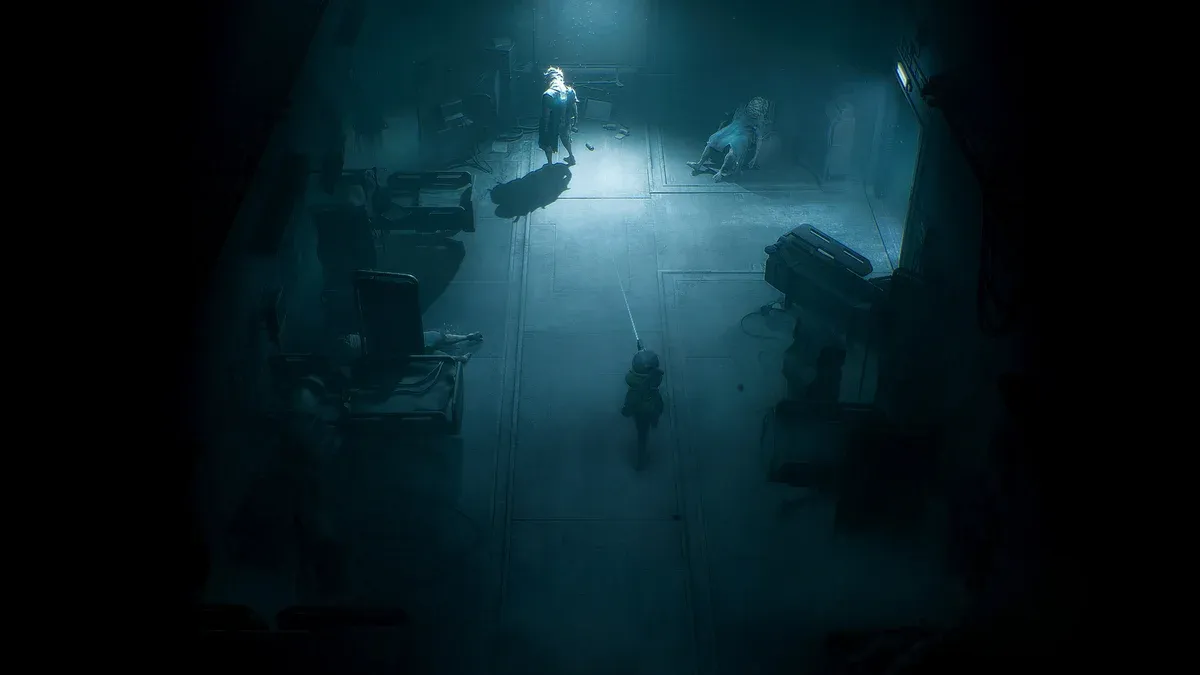
End of Abyss is a twin-stick shooter that punishes sloppy play the way survival horror punishes greed. This guide covers the confirmed control scheme, every weapon and tool shown pre-launch, and the habits that keep you alive in a game IGN described as “tough-as-nails.” Everything here comes from verified press and hands-on coverage; anything not yet public is flagged, and we will verify it at launch.
How does combat control in End of Abyss?
Left stick moves, right stick aims a full 360 degrees, RT fires, and LT dodge-rolls — the classic twin-stick scheme, tuned tight. Previewers describe the feel as punishing: enemies apply real pressure, and standing still is a death sentence. IGN’s hands-on verdict was blunt — the combat is “absolutely no joke.” The button layout above is from controller-based previews; PC keyboard bindings have not been detailed yet, and we will verify them at launch.
Why is the dodge-roll your most important move?
Because healing is limited and enemies hit hard — the roll is your one dependable defense, and no weapon replaces it. The LT dodge-roll is how you escape grabbers, sidestep lunges, and create the space you need to aim. End of Abyss earns its hard-but-fair reputation here: damage is avoidable, attacks are readable, and preview deaths trace back to a roll that came too late or not at all. Build the habit early — roll first, shoot second. For the wider expectations, read the difficulty guide.
How does the pulse pistol’s charged shot work?
Hold fire to charge a powerful shot; after it goes off, the pistol locks out briefly before it can fire normally again. The pulse pistol is your baseline weapon — unlimited ammunition, with a clip that recharges on its own — so it is always there when shells and grenades run dry. The charged shot is the pistol’s damage spike, and it is a pure risk/reward call: charging exposes you while you hold the trigger, and the lockout window afterward leaves you with no immediate follow-up shot. Spend it on tough single targets, not on swarms that punish the downtime. The pulse pistol page tracks the weapon in full.
When should you spend shotgun shells?
When the pulse pistol’s answer is “not fast enough” — crowds and tough enemies. The shotgun deals high damage with knockback, which makes it both a kill tool and a spacing tool: a blast that shoves a pack backward buys the second you need to roll out. Shells are genuinely scarce in the facility, so the discipline is simple — routine threats get the pistol, and the shotgun comes out only when the situation is actually dangerous.
How do grenades and flares work?
Grenades are thrown two ways — tap for a short toss, hold for a long throw — and flares both light up darkness and pull enemy attention. Grenades are very limited, so the range choice matters: short tosses for enemies already closing in, long throws for packs you would rather not approach at all. Flares are the quieter half of the toolkit — illumination in dark corridors plus a distraction you can use to reposition or slip past a fight you cannot afford. Utility wins fights that ammunition cannot.
What do melee tools do?
That is not public yet. Melee tools have been confirmed to exist, but their moves, damage, and role in the arsenal have not been shown in pre-launch coverage. We will verify and document them at launch on October 1, 2026. The confirmed ranged lineup — pistol, shotgun, grenades, flares, and the scanner — is laid out in the weapons overview.
How do you fight enemies that split?
Scan first, shoot second — some enemies split into multiple threats when damaged, and the scanner warns you which ones. Unloading into a splitter by reflex can turn one problem into several, in a game where ammunition is already tight. The confirmed roster also includes zombie-like grabbers, mutated humans, dog-like creatures, bipedal monstrosities with organic growths for heads, and a skittering spider-like creature, so target priority genuinely changes from fight to fight. The scanner guide explains how to read enemies before you commit.
How hard is End of Abyss combat, really?
Hard, consistently — and consistently described as fair. IGN said “tough-as-nails”; GameSpot’s headline read “Fantastic (And Hard)”. The difficulty is pressure and scarcity, not cheap shots: readable enemies, limited resources, and a dodge-roll that always works when you time it. Boss encounters push that further — hands-on coverage fought a giant centipede-like monstrosity in a round arena that coils around the player and squeezes — though official boss names have not been announced. Browse the all bosses directory for everything confirmed so far, and start with the beginner guide if any of this sounds intimidating.
Related Articles

End of Abyss Scanner Guide: How Scanning Works and Why It Matters
End of Abyss scanner guide: how dual-mode scanning works — wall scans for weak points and hidden rooms, enemy scans for behavior data, and automatic door tagging.
Last updated Sep 21

End of Abyss Pulse Pistol: Mechanics and the Charged Shot
The End of Abyss pulse pistol: unlimited ammo with a recharging clip, a hold-to-charge power shot, and a brief post-charge lockout explained.
Last updated Sep 21
End of Abyss Weapons and Tools: The Full Arsenal Explained
All six confirmed End of Abyss weapons and tools — pulse pistol, shotgun, grenades, flares, melee tools, scanner — with what each does and what isn't public yet.
Last updated Sep 21
Was this helpful?
Thanks for the feedback!